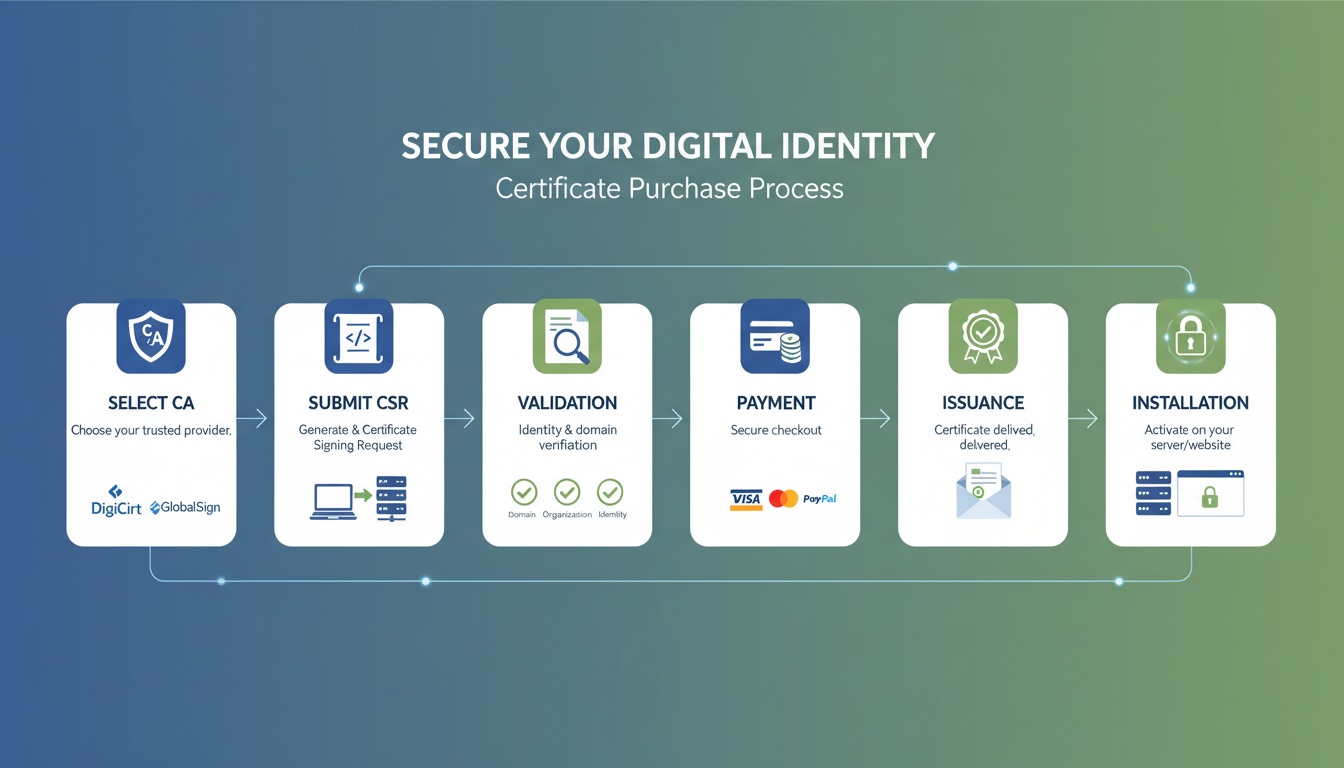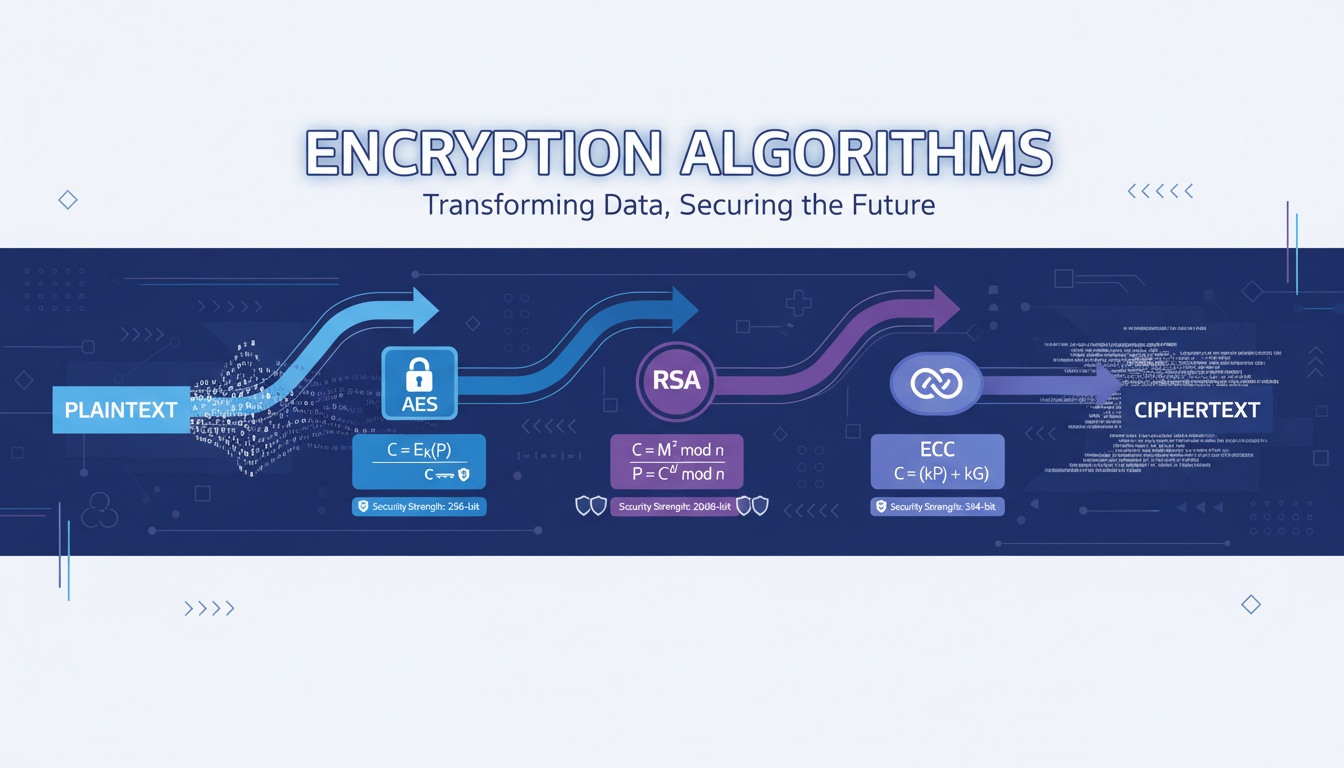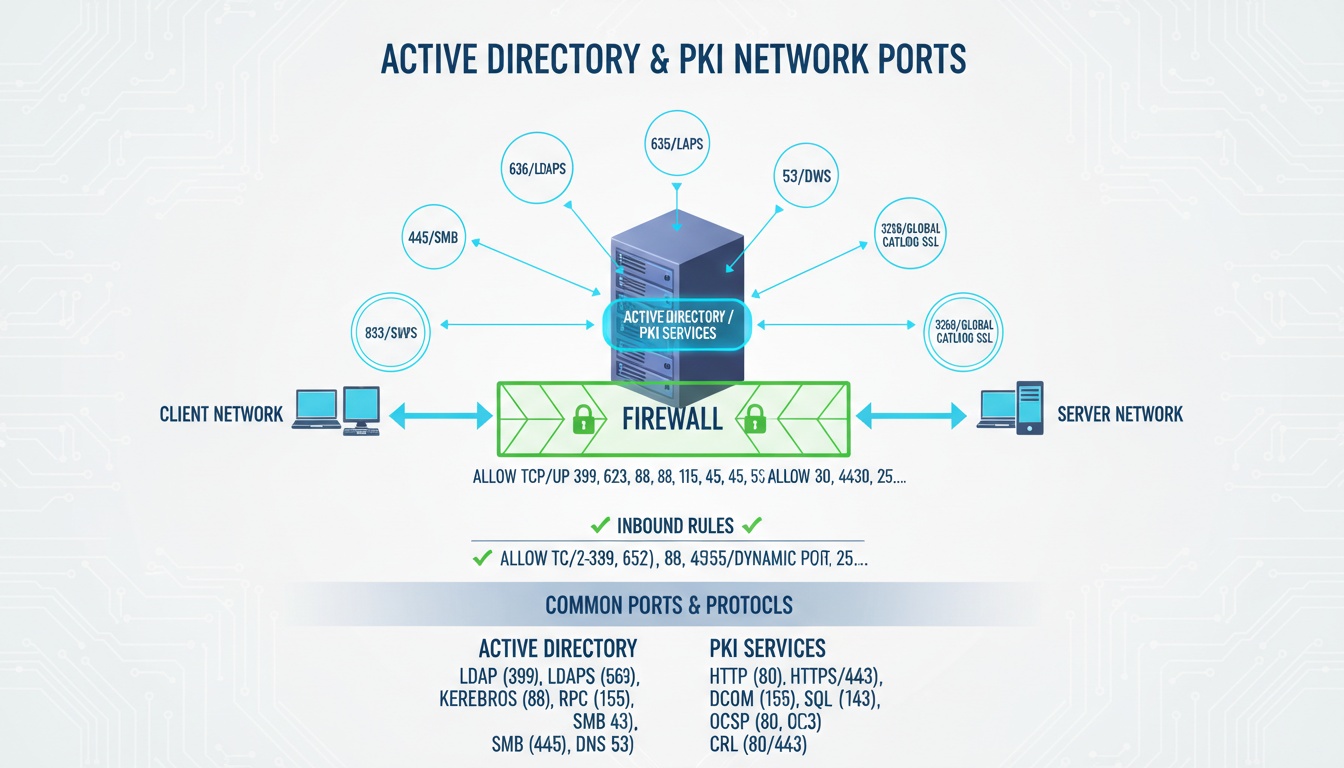
RSA is one of the most widely adopted asymmetric encryption algorithms powering modern cybersecurity. It protects secure browsing, encrypted email, VPN connectivity, SSH authentication, API tokens, and nearly every certificate-based trust workflow online. When you access an HTTPS site or verify a software signature, RSA is working behind the scenes to protect your identity and ensure data confidentiality.
As cyber threats grow, RSA remains a key pillar of secure communications and Zero Trust identity frameworks. Understanding how RSA works is crucial for teams building secure cloud infrastructure and compliance-heavy enterprise applications.
What This Guide Covers
- RSA definition explained simply and technically
- RSA key generation + encryption/decryption workflow
- Python and OpenSSL implementation examples
- Enterprise and cloud-native real-world use cases
- Best practices and common misconfigurations
- Advanced applications aligned with Zero Trust
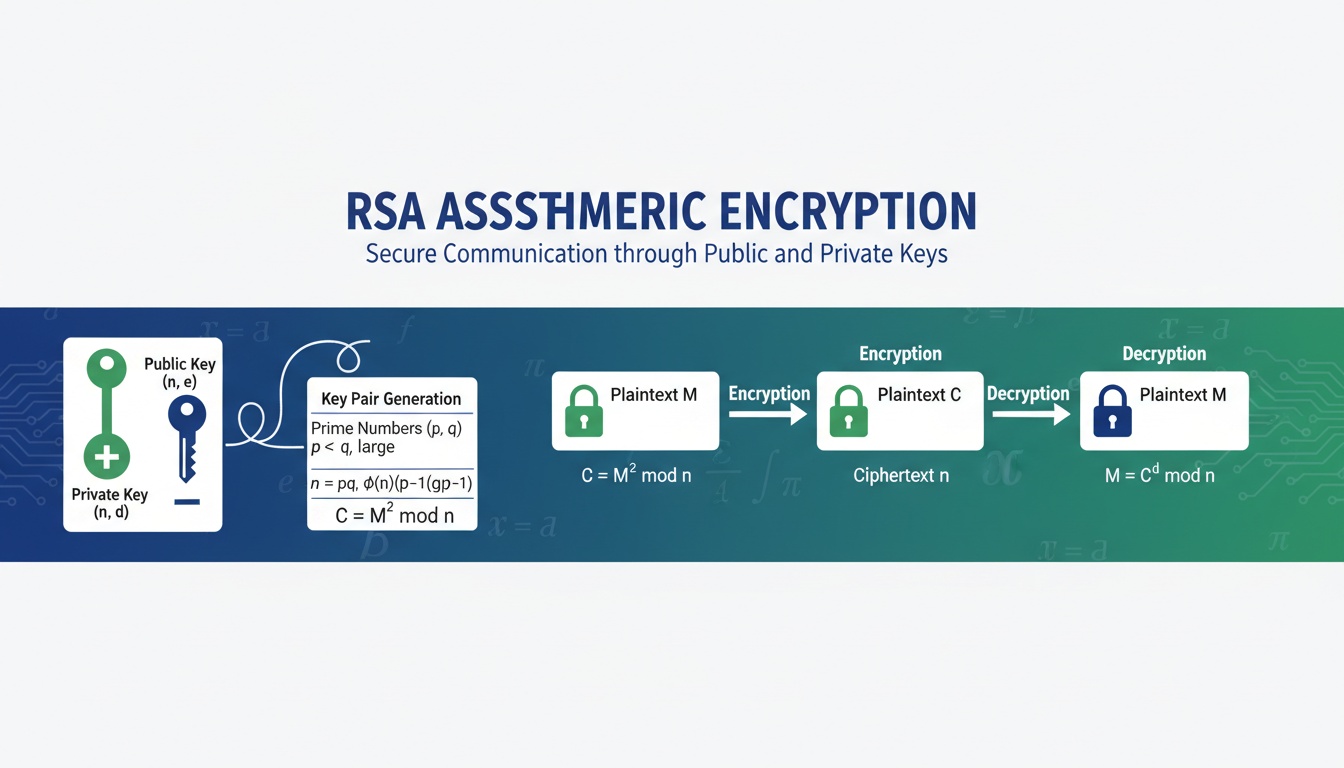
Workflow Diagram
1. What Is RSA?
RSA (Rivest–Shamir–Adleman) is a public-key cryptosystem built on asymmetric cryptography. It uses two mathematically linked keys:
| Function | Who Uses It | Key |
|---|---|---|
| Encrypt or verify signatures | Anyone | Public Key |
| Decrypt or create signatures | Only the owner | Private Key |
RSA security is based on the computational difficulty of factoring extremely large prime numbers. Even with modern compute, factoring a properly sized RSA modulus is impractical—making RSA resilient when used correctly.
Where RSA Is Used
- SSL/TLS in HTTPS websites
- SSH access for DevOps and remote admins
- Code signing for software authenticity
- Identity and access management systems
- Machine-to-machine secure communication (APIs, IoT, services)
Who should care: Any organization that must secure identities, automation pipelines, and sensitive data.
2. Why RSA Matters Today
RSA continues to be essential, thanks to its:
- Strong alignment with Zero Trust architecture
- Wide support across legacy + cloud-native environments
- Ability to validate identity using signatures
- Compatibility with PKI workflows and certificate authorities
- Role in secure key exchange during TLS handshakes
- Stability and battle-tested cryptographic history
Even as quantum computing research advances, RSA remains critical in regulated industries—all the more reason to apply best-practice key sizes and crypto hygiene.
3. How RSA Works: Technical Deep Dive
RSA operations involve modular arithmetic and prime number theory. There are three core components:
Key Generation
- Choose two large primes (p and q)
- Compute modulus:
n = p × q - Calculate Euler’s totient:
φ(n) = (p – 1)(q – 1) - Select public exponent e (commonly 65537)
- Compute private exponent d:
d = e⁻¹ mod φ(n)
The modulus n must remain un-factorable to attackers.
Public-Key Encryption
- Plaintext message m
- Ciphertext result:
c = mᵉ mod n - Public key enables encryption by anyone
Private-Key Decryption
- Ciphertext value c
- Computes plaintext:
m = cᵈ mod n - Only the key owner can decrypt
This asymmetric design enables trust even across untrusted networks.
4. Step-by-Step RSA Workflow
- Generate p & q (large primes)
- Compute n = p × q
- Calculate φ(n)
- Choose e such that gcd(e, φ(n)) = 1
- Compute private key d
- Publish public key = (n, e)
- Protect private key = (n, d)
- Encrypt: c = mᵉ mod n
- Decrypt: m = cᵈ mod n
5. Real Code Snippets
Generate RSA Keys with OpenSSL
openssl genpkey -algorithm RSA -out private.pem -pkeyopt rsa_keygen_bits:2048
openssl rsa -pubout -in private.pem -out public.pem
Encrypt & Decrypt in Python
from Crypto.PublicKey import RSA
from Crypto.Cipher import PKCS1_OAEP

key = RSA.generate(2048)
cipher = PKCS1_OAEP.new(key.publickey())

ciphertext = cipher.encrypt(b"hello rsa")
print(ciphertext)

decipher = PKCS1_OAEP.new(key)
plaintext = decipher.decrypt(ciphertext)

print(plaintext)
Signing & Verification in Python
from Crypto.Signature import pkcs1_15
from Crypto.Hash import SHA256

data = b"sign this securely"
hash_value = SHA256.new(data)

signature = pkcs1_15.new(key).sign(hash_value)
pkcs1_15.new(key.publickey()).verify(hash_value, signature)
print("Signature verified successfully")
6. Best Practices (Security Checklist)
- Use RSA-2048 minimum; RSA-4096 for high compliance environments
- Apply OAEP for encryption and PSS for digital signatures
- Never store private keys in plain text or inside source code
- Use HSMs or secure enclaves for private-key operations
- Automate key rotation schedules
- Use hybrid encryption (RSA + AES) for performance & scalability
- Validate certificates using OCSP stapling
- Disable outdated or weak 1024-bit keys immediately
- Secure randomness during key generation
- Protect private keys in transit (TLS + MFA)
- Restrict access using role-based controls
- Monitor certificate expiration to prevent outages
- Audit key usage and maintain cryptographic governance
7. Common Pitfalls (Avoid These!)
- Using RSA with no padding — catastrophic risk
- Weak key generation caused by low entropy
- Hard-coding keys into repositories
- Re-using key modulus for multiple pairs
- Relying solely on manual certificate renewals
- Failing to validate signature verification logic
- Continuing to use deprecated cipher suites
8. Advanced and Cloud-Native Use Cases
- TLS handshake with RSA key exchange + identity validation
- SSH identity for secure DevOps automation
- Code signing (native apps, containers, firmware)
- IoT device authentication and onboarding
- Artifact integrity in CI/CD pipelines
- API machine identity protection
- Encrypted backup archives with key lifecycle governance
- Mutual TLS (mTLS) for microservices security
9. Abbreviations & Cryptography Keywords (Explained)
This guide uses several security terms and acronyms. Here are their full forms and meanings:
| Abbreviation / Term | Full Form / Explanation |
|---|---|
| RSA | Rivest–Shamir–Adleman — Asymmetric cryptographic algorithm based on large prime factorization |
| PKI | Public Key Infrastructure — Framework for managing digital certificates and keys |
| TLS | Transport Layer Security — Protocol that secures HTTPS and encrypted communication |
| SSL | Secure Sockets Layer — Older version of TLS (now deprecated but still referenced) |
| SSH | Secure Shell — Crypto-based secure remote access protocol |
| OAEP | Optimal Asymmetric Encryption Padding — Secure padding scheme for RSA encryption |
| PSS | Probabilistic Signature Scheme — Secure padding method for RSA digital signatures |
| HSM | Hardware Security Module — Tamper-resistant device for secure key storage |
| CA | Certificate Authority — Trust issuer for digital certificates |
| AES | Advanced Encryption Standard — Fast symmetric encryption algorithm used with RSA |
| ECC | Elliptic Curve Cryptography — Modern asymmetric cryptography using curve math |
| MFA | Multi-Factor Authentication — Uses additional identity verification factors |
| OCSP | Online Certificate Status Protocol — Real-time certificate revocation verification |
| CRL | Certificate Revocation List — Offline list of revoked certificates |
| Zero Trust | Security model requiring continuous identity validation and least-privilege access |
These terms are essential to understanding how RSA enables secure identity, encryption, and trust in cloud and enterprise systems.
10. Cryptography Comparison Table
| Feature | RSA | AES | ECC |
|---|---|---|---|
| Key Type | Asymmetric | Symmetric | Asymmetric |
| Performance | Slower | Very fast | Very fast |
| Key Size | 2048–4096 bits | 128–256 bits | 256–521 bits |
| Primary Usage | Key exchange, signatures | Bulk data encryption | Lightweight secure comms |
| Security Basis | Large prime factorization | Block cipher strength | Elliptic curve algebra |
Looking to Automate RSA Security in the Cloud?
Qcecuring helps you modernize PKI, SSH, SSL, and code-signing using secure automation. Book a Demo: https://www.qcecuring.com/request-demo
11. Final Summary
- RSA secures authentication, encryption, and digital trust worldwide
- It prevents unauthorized access by requiring private-key ownership
- Prime-based mathematics make RSA hard to break using classical computing
- Enterprises depend on RSA for certificates, identity, and compliance
- When combined with automation, RSA enables Zero Trust security at scale