
This is the most complete guide to SSH Key Lifecycle Management as of July 2022. We have tried to cover almost every aspect of it. Follow this guide to gain a deep understanding of what, why, and how SSH Key Management works in enterprise environments.
Note
SSH Key Management can be referred to interchangeably as:
- SSH Key Manager
- SSH Key Management System
- Enterprise SSH Key Management
- SSH Key management solutions
- SSH Key Management Server
- SSH Key Life Cycle Automation
- SSH Key Lifecycle
- SSH Key Lifecycle Management
- Centralized SSH Key Management
- Automated SSH Key Management
- SSH Access Management
- SSH Key Rotation
- Machine Identity Management
- And more…
All these terms point to the same concept: managing SSH keys securely across enterprise systems.
Contents
- What is SSH Key?
- What is SSH Key Management?
- Why is SSH Key Management needed?
- Who Needs SSH Key Management?
- Popular SSH & Certificate Management Tools
- SSH Key Lifecycle Stages
- SSH Key Lifecycle Management (CLM) with Cecuring
- Dashboard & Inventory
- Reporting & Auditing
- SSH Servers & Logons
- Latest Advancements & Best Practices
- Conclusion
What is SSH Key?
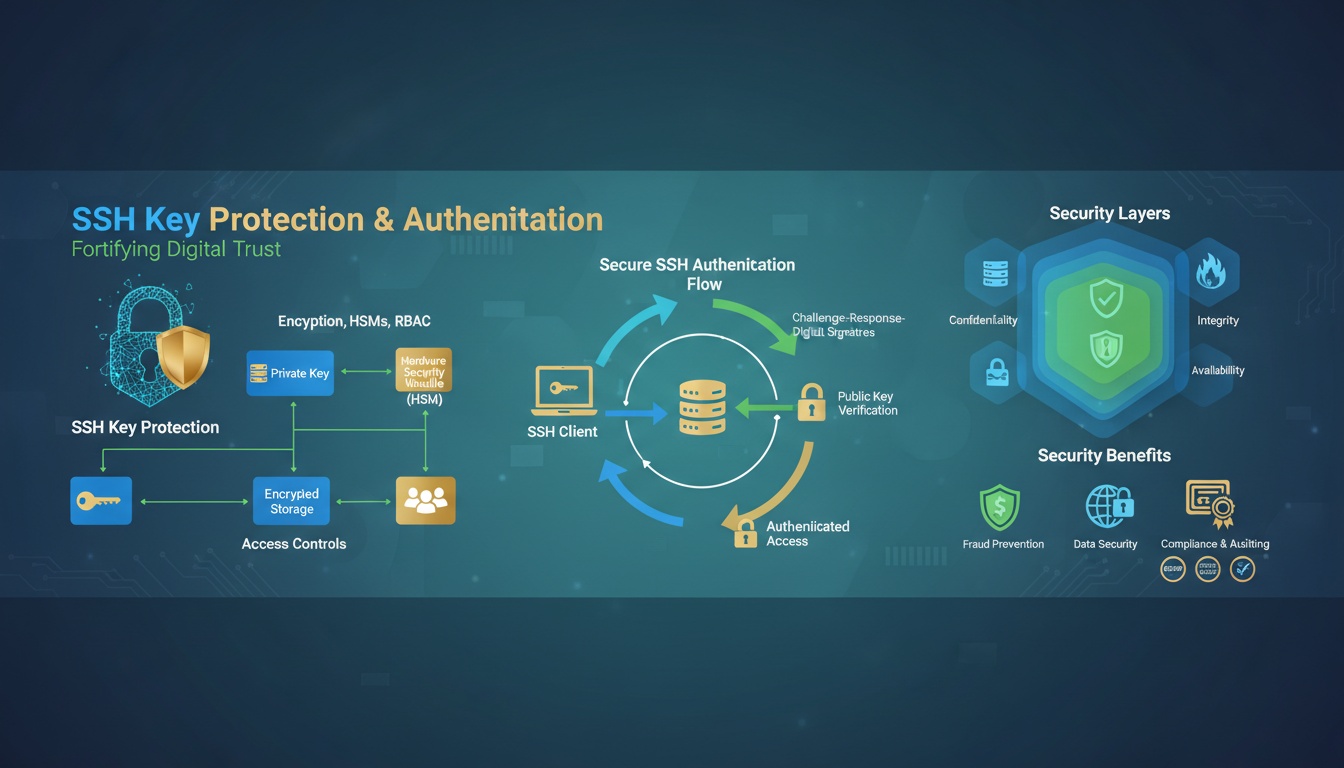
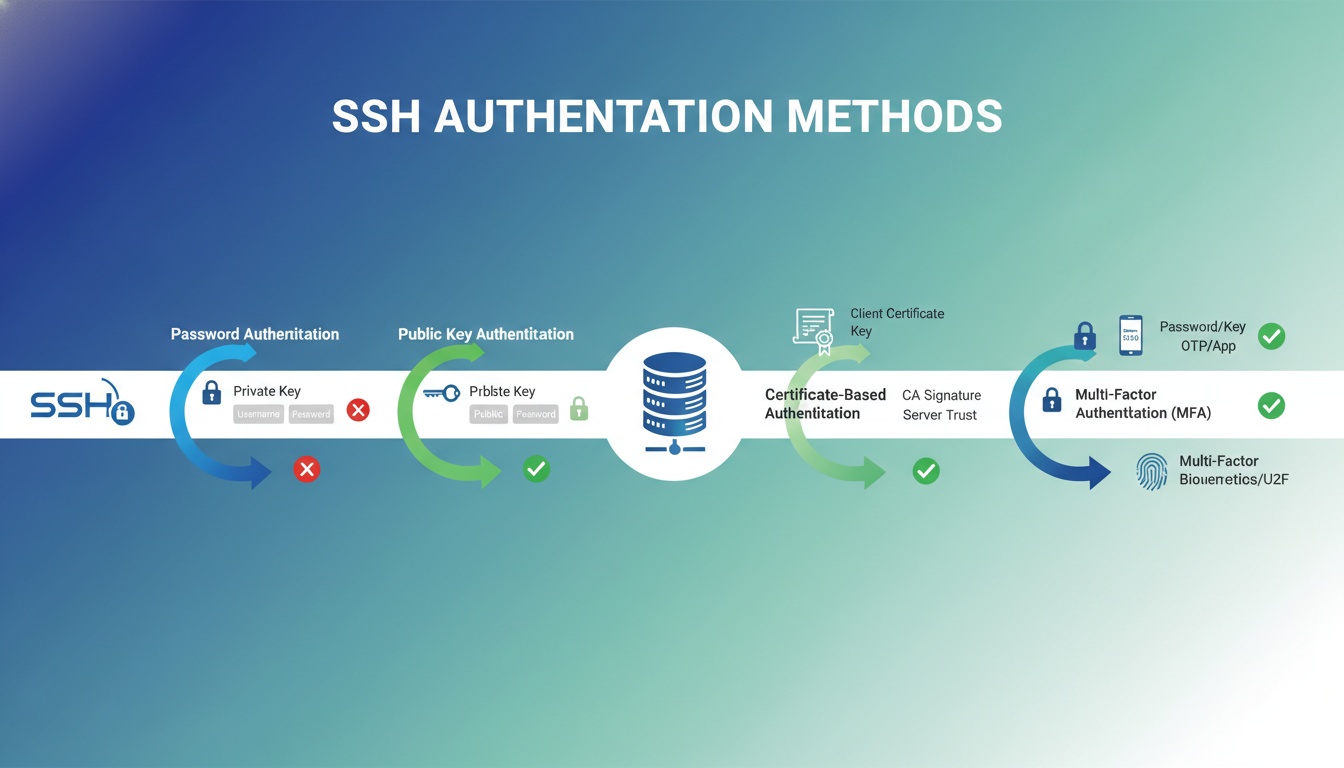
An SSH Key is a cryptographic key used to securely access remote machines. It consists of:
- Public Key: Stored on the remote server
- Private Key: Kept securely by the user
SSH stands for Secure Shell, enabling encrypted communication between machines.
What is SSH Key Management?
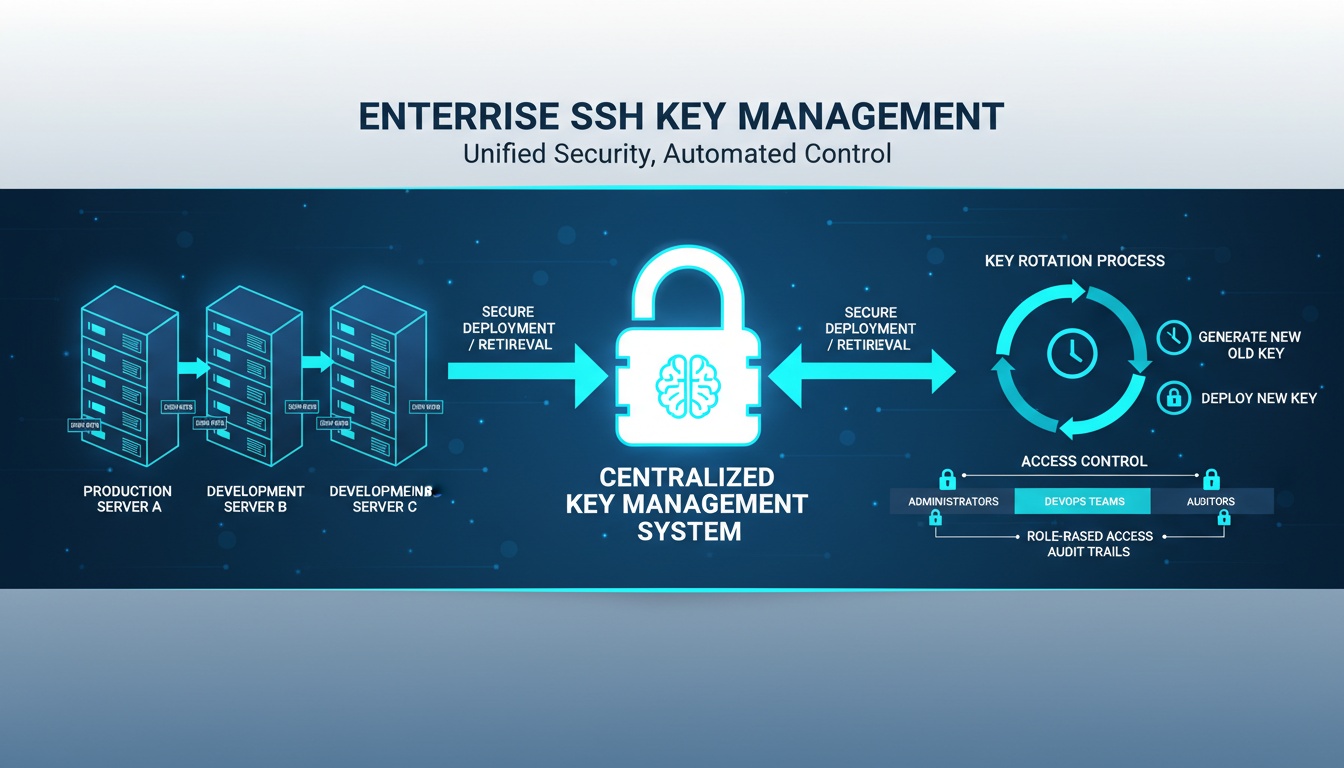
SSH Key Management is a centralized framework for governing all SSH keys in an enterprise. Key features include:
- Centralized inventory of all SSH keys
- Automated extraction of public keys from servers
- Generation of security insights and compliance posture
- Automated key rotation and deployment to servers
- Prevention of unauthorized key usage
Why is SSH Key Management needed?
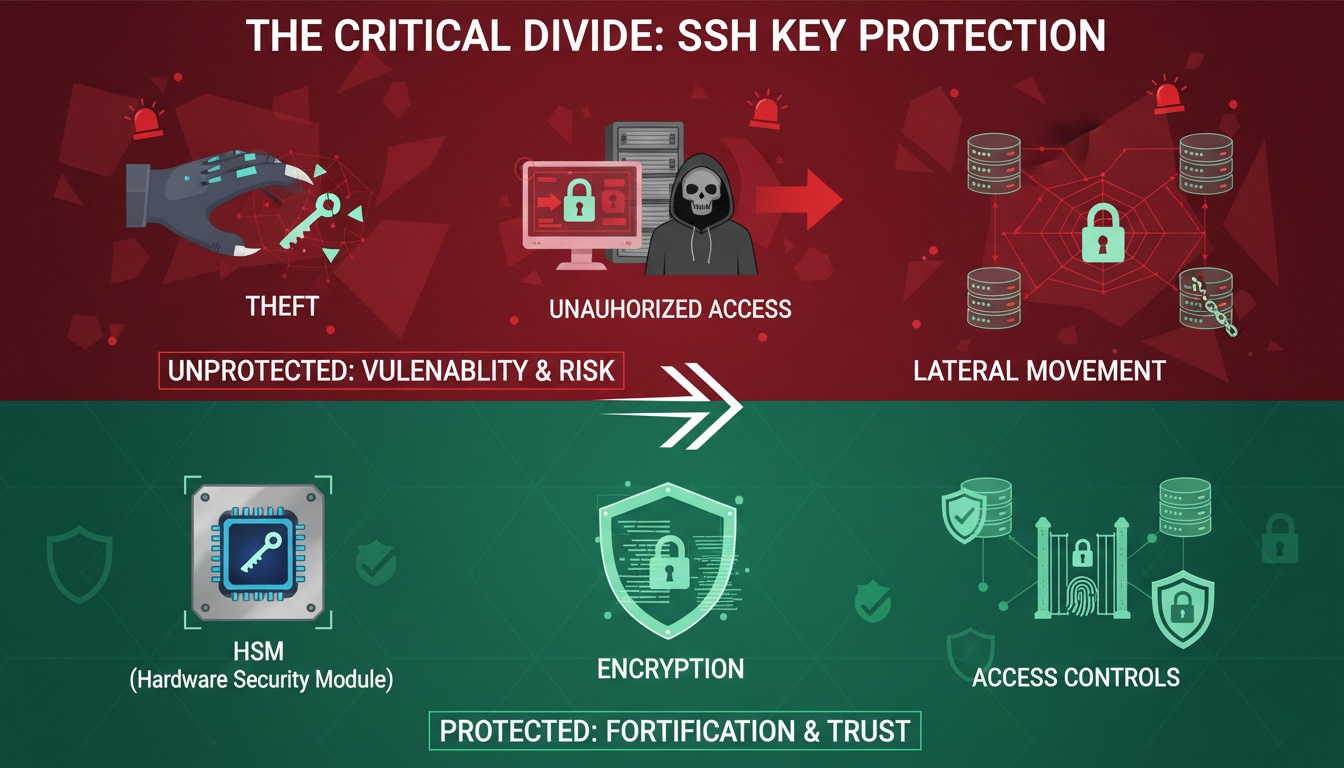
Without SSH Key Management:
- Keys must be tracked manually, risking human error
- SSH keys never expire by default, requiring additional metadata for lifecycle management
- Risk of leaked keys and unauthorized access increases
Solution: SSH Key Management software automates discovery, creation, rotation, revocation, and expiration of SSH keys.
Who Needs SSH Key Management?
Roles:
- Cybersecurity, IT Security, InfoSec teams
- CISO, CIO
- System Administrators, DevOps engineers
Industries (by precedence):
- Financial Services
- Public Sector
- Industrial & Manufacturing
- Health & Pharmaceuticals
- Technology & Software
- Retail & Consumer Products
- Energy & Utilities
- Transportation & Hospitality
Popular SSH & Certificate Management Tools
-
Venafi Trust Protection Platform
-
Keyfactor Command
-
AppViewX
SSH Key Lifecycle Stages
- Discovered
- Generated
- Installed
- Associated
- Rotated
- Expired
- Revoked
Each stage should have clear security policies and automated processes where possible.
SSH Key Lifecycle Management (CLM) with Cecuring
Cecuring provides:
- Centralized SSH Key management
- Flexible deployment (cloud, hybrid, on-prem)
- Scalable architecture for enterprise usage
- API support for automation
- Fixed and predictable pricing
Dashboard & Inventory
- View key statistics and health via charts
- Manage Managed, Unmanaged, and Stale Keys
- Filter and sort keys with AND/OR logic
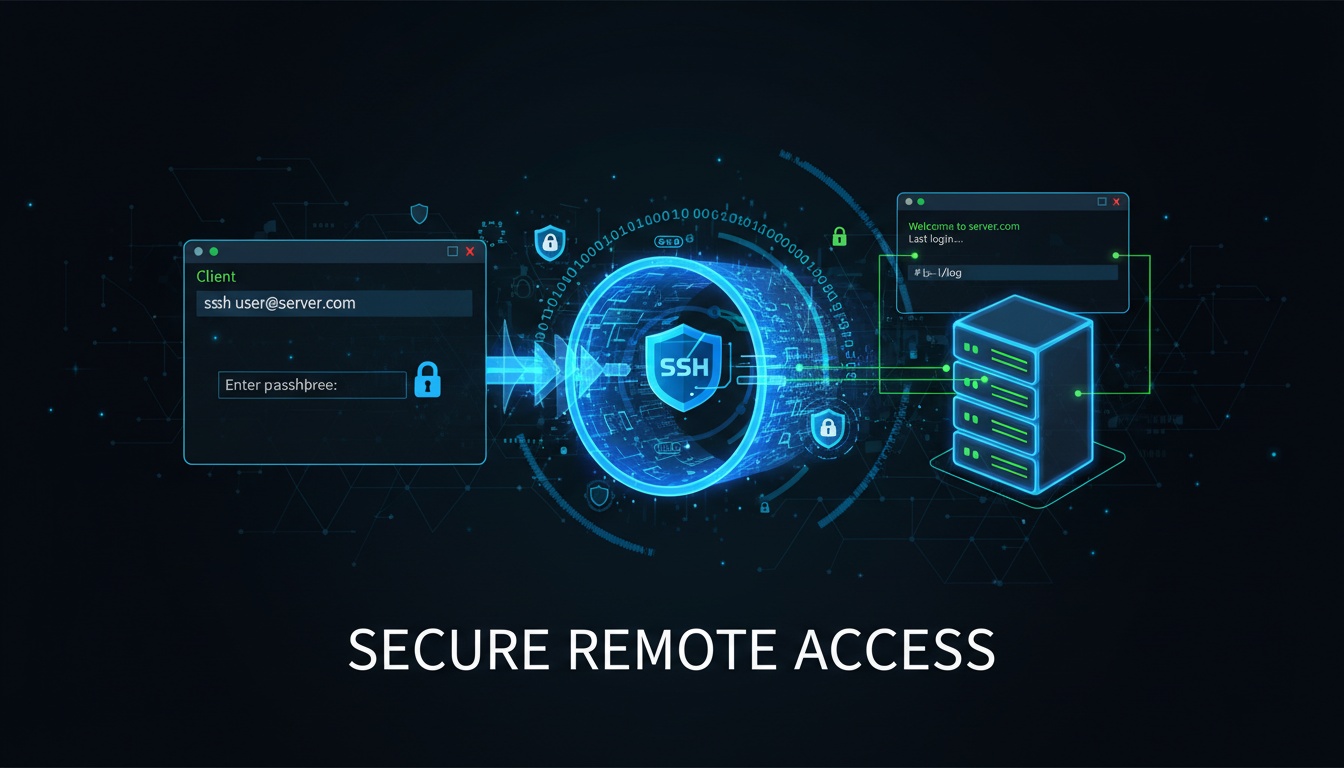
# Example: Generate an SSH key pair for a user
ssh-keygen -t rsa -b 2048 -C "user@example.com" -f ~/.ssh/id_rsa
Reporting & Auditing
- 11+ reports including expiration, usage, and security posture
- Export reports to PDF or Excel
- Schedule reports for future delivery
- Full audit logs of all user actions
SSH Servers & Logons
- Extract usernames and SSH keys from remote machines
- Map keys to users efficiently
- Seamless integration with Active Directory
- Automate logon management across servers
Latest Advancements & Best Practices
- Zero-Touch Key Rotation: Fully automated rotation across servers and containers
- Hardware Security Modules (HSM): Protect private keys securely
- Integration with DevOps CI/CD: Automate SSH key management in pipelines
- Post-Quantum Cryptography: Future-proof SSH key generation
- Centralized Visibility: Full audit and compliance across hybrid environments
Conclusion
Centralized SSH Key Management is critical for enterprise security:
- Reduces risk of key misuse
- Ensures compliance and auditability
- Automates lifecycle stages: discovery, rotation, revocation
- Enables scalable management across servers, environments, and users
Written by QCecuring Team
Empowering enterprises with secure, automated, and compliant SSH key solutions.